Early Communing.
Being inside a cultural movement before it has a name…
A student once asked me how I knew so many creative figures personally. Not knew of them: knew them. I thought about it and told her, quite simply that it was probably because I had appreciated and championed them before they were popular.
I have been thinking about that answer ever since.
Early communing is my name for the practice of being present inside a cultural movement before it consolidates. Before it has a name, an audience, and definitely before it has any kind of institutional recognition. It is what happens when love and curiosity pull you into a space before the world decides that space is even worth entering. Or before the world knows about that space at all. Early communing produces knowledge of how culture moves, developed through sustained presence rather than outside observation.
It is…
- Devotional: you are there before being there is rewarded
- Relational: it happens in rooms with other people
- Anticipatory: you learn (or happen) to read what is still forming
- Transformational: you are changed by what you commune with
It is not trend-spotting, which is observational. The trend-spotter stands at a careful distance, watches for signals, and reports back. The relationship is one-directional and extractive. It produces accurate descriptions of things that are already happening. Early communing produces something older and harder to replicate: the felt knowledge of how things come to happen at all.
It is not cool-hunting, which is fundamentally transactional; entering a subculture to take what is useful and leave. The cool-hunter is not changed by what they find: they simply package it, sell it, and move on. Early communing is the opposite: you stay, you are changed, and the knowledge you carry out is inseparable from the transformation you underwent.
It is not being an early adopter, which is individual and transactional, requires no devotion, and does not transform you. Early communing is not about acquiring anything. It is about belonging to something before belonging to it is fashionable or rewarded.
It is not networking: strategic relationship-building that you hope will be useful later down the line. The relationships formed through early communing are formed because different people happen to be in the same room for the same reason, before anyone thinks that room matters. That produces a fundamentally different kind of bond.
Once you have the name for it, you can see early communing everywhere, especially – in the origins of movements that later became enormous; small rooms where the seeds of major cultural shifts were first planted.
Hip Hop (early 1970s). Before hip hop had a name or became an industry with a global audience came the block parties helmed by the likes of DJ Kool Herc, Afrika Bambaataa, and Grandmaster Flash that birthed the genre. The people in those rooms were early communing, and the knowledge they developed about rhythm, crowd energy, and the relationship between music and community was produced by showing up, week after week, in rooms that others literally walked past.
The internet (late 1990s). Before social media platforms and long before the attention economy had a name, there were the forums and blogs around which early digital communities formed around shared obsessions. The people who inhabited those spaces early – not as investors or strategists, but as genuine participants – developed instincts about digital culture, community formation, and the movement of ideas online that no late arrival could replicate.
Lagos Alté (early 2010s). Before the term alté existed, there were rooms in Lagos where young Nigerians were making music that sounded like little else on the continent. The people in those rooms – early fans, listeners, DJs, bloggers – were early communing, developing instincts about that particular sound that no one who arrived later, however well-resourced, could fully replicate (or care to understand).
This kind of pattern appears in my own life with a consistency I did not plan or recognize until that student’s question:
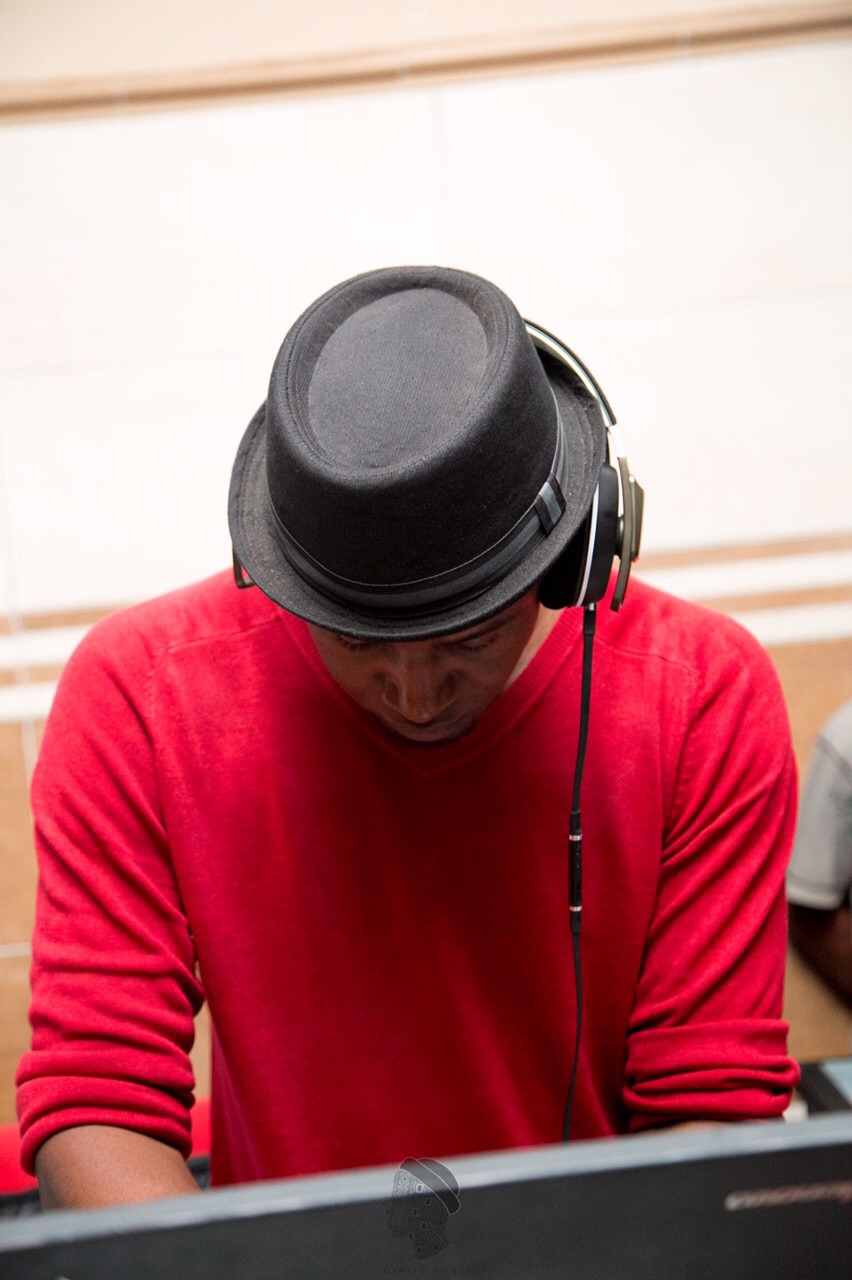
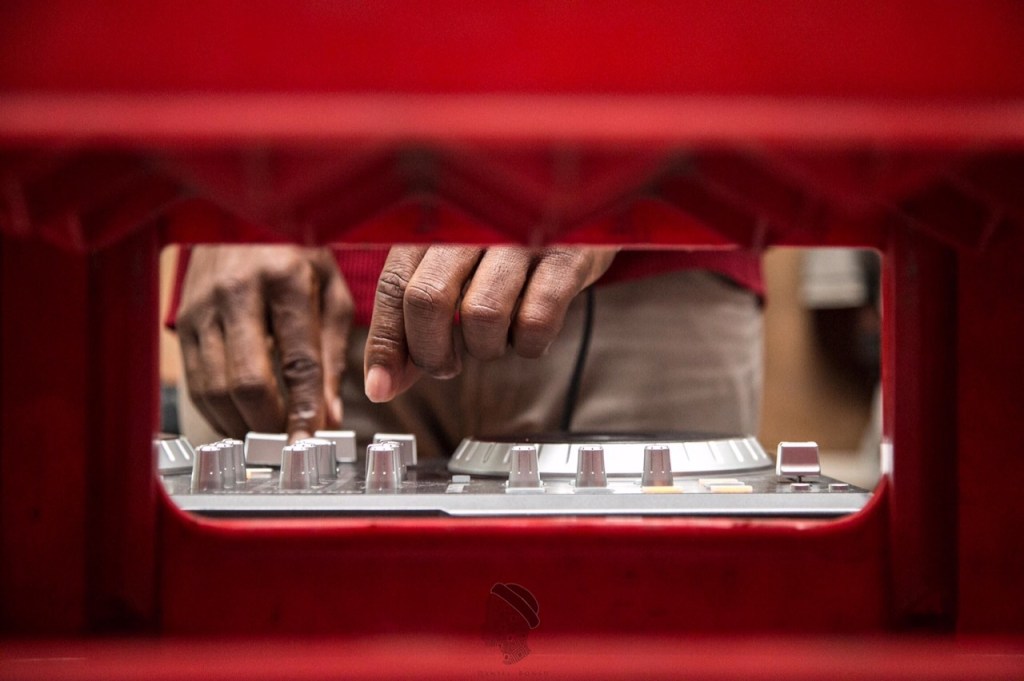
Neo Soul & Afrobeats (early 2000s). I learned to DJ as part of a collective called Amplified, championing neo-soul long before it became as popular as it is today. In addition, we even had a night dedicated to what we would today call Afrobeats: a term that did not yet exist.
DUST Magazine (mid-2000s). I co-founded DUST magazine to document a creative renaissance in Accra that not many could see at the time, and many are still getting to know. We platformed artists, ideas, and aesthetics that we felt should be taken seriously. Accra is now a city of significant global cultural regard and – years after our last issue – DUST remains the best document of the genesis of that.
West African Alté(rnative) Sounds (2010s onwards). I started championing, researching, and teaching about the broad wave of otherness in West African culture (including what Lagos came to call alté), long before these things became reference points in international music journalism and academia. I have written about Ghanaian alté(rnative) artists, played their music in my DJ sets, and built them it into my curricula. My PhD research – “The Other Cool: Care Ethics and Alté(rnative) Culture in the Age of Afrobeats” – is in part an attempt to give formal academic language to what I have been learning through presence and devotion for years. Communing produced that knowledge.
In every case, the pattern is the same: small rooms, genuine devotion, and (something that may come as a shock to some in these capitalist times…) no guarantee of returns.
The knowledge produced by early communing is not transferable in the way a trend report is. It lives in the person who did the communing. In their instincts. In their relationships. It can be shared and applied, but only through the kind of engagement that resembles the communing itself: relational rather than extractive.
I have been walking this road for over two decades. I just did not have a name for it.
Until now.
 Kobby Ankomah Graham