It’s taken me this long to read in full this article about the London Ambulance Service and NHS Trust admitting failures over the death of my brother, Ebow.
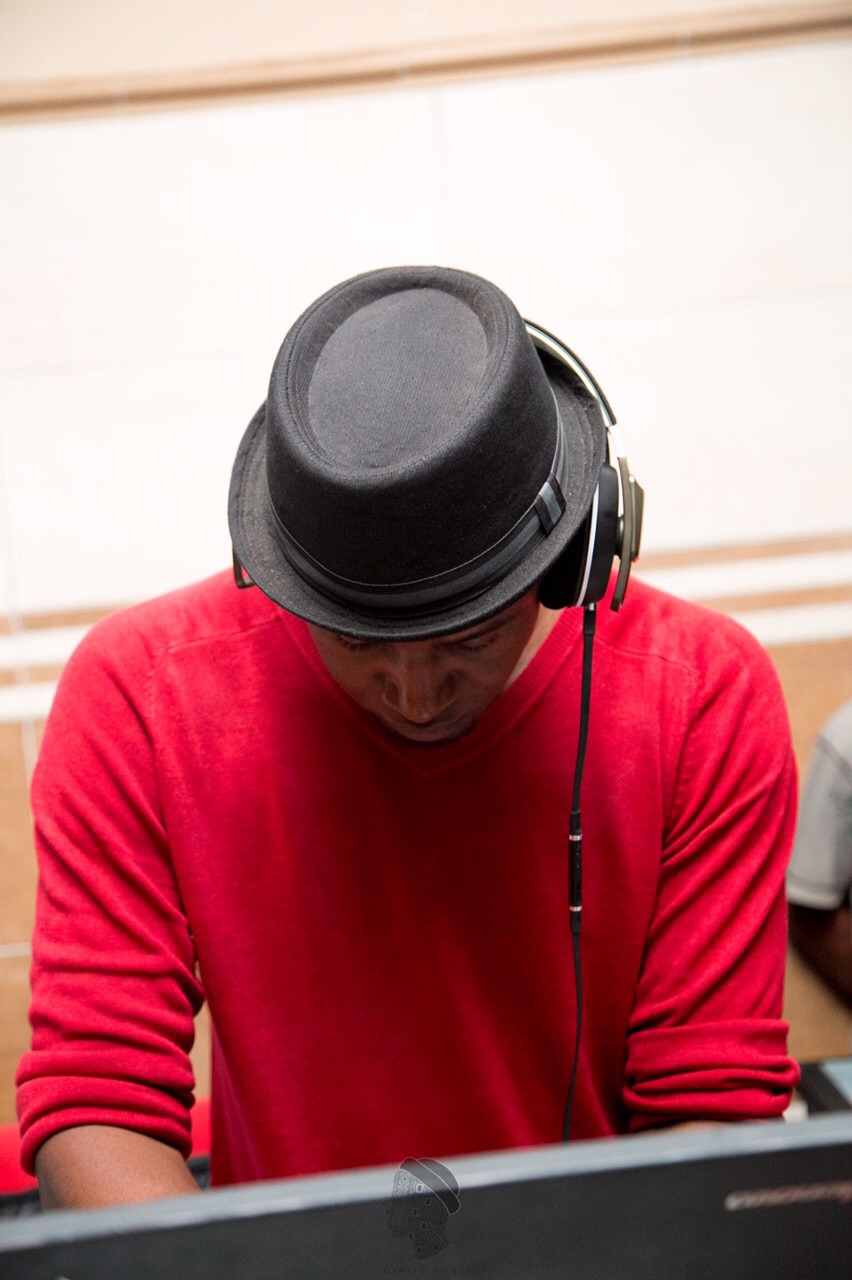
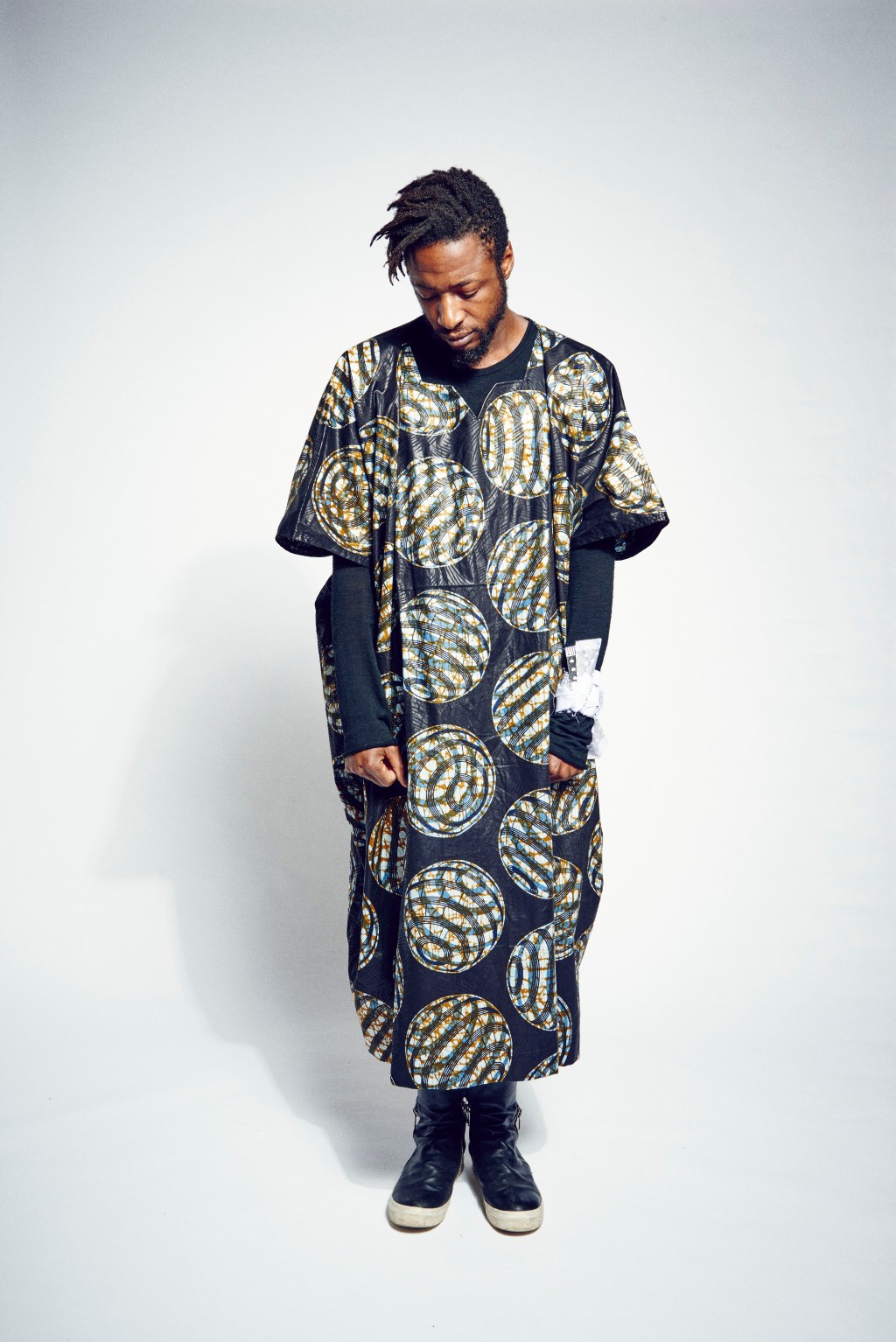
I was on a flight when it came out, and could only read text messages on the plane’s Wi-Fi. My girlfriend pasted the words into WhatsApp for me, but today is the first time I opened the full article and saw my brother’s photo there. Seeing his face didn’t bring back laughter or fond memories. It just reminded me of how much I miss him.
I’d heard about the hearing’s outcome a week earlier, when my nephew’s mother told me. I felt proud of what she had achieved — the acknowledgment of fault, the payout for my nephew — but also sad. Not in a dramatic or profound way. Just… sad. The result placed some of the responsibility where it belonged. But justice is no time machine. It didn’t undo what had already been done.
There had been an inquest back in 2020, when the UK Coroner’s Office sought clarity about Ebow’s exact cause of death. I remember watching testimony after testimony over Zoom. The world was in lockdown while I was stuck in Accra, trying to understand why I was still alive and my brother was not. I remember the weight in my chest as I absorbed it all. I wasn’t angry yet: shock comes long before that. After the inquest ended, I closed the laptop, put my head down, and cried until I was spent.
The inquiry ended up placing most of the blame on one overstretched mental health worker. I wonder if he might have had a full team around him if not for Tory austerity measures. The Guardian mentions that the London Ambulance Service have put in place measures to ensure this doesn’t happen again. It also says they deny racially profiling my brother. Based on everything I have read – and on the ways Black men are so often treated with suspicion, even in moments of crisis – I find that hard to believe. But what do I know?
My brother fell from three storeys and somehow survived, complaining – loudly and repeatedly – of trouble breathing for almost an hour while the medical team tried to figure out how to get him out of an enclosed garden. Yet it was only once they got him into an ambulance that they found bubbles of trapped air beneath his skin: a telltale sign his lungs had been damaged by the impact from the fall. Why did it take them so long to take his complaints seriously? And why did the paramedic who ended up in the ambulance with him insist on being accompanied by a policeman instead of another medic, as is generally the norm?
Thankfully, Ebow is infinitely more than just the way he left. Over the years, it’s been incredibly moving to see how my brother – and his music – have affected and influenced people. I’m especially reminded of him whenever I see my nephew, who reminds me of his father in so many beautiful ways. I’m so deeply proud of the man he is becoming.
The paramedics who attended to Ebow probably didn’t know any of that. The depth of Ebow’s humanity. His connections. His people. His potential.
I would say that’s their loss. But sadly, the loss is ours.
 Kobby Ankomah Graham